
Mold & die rack
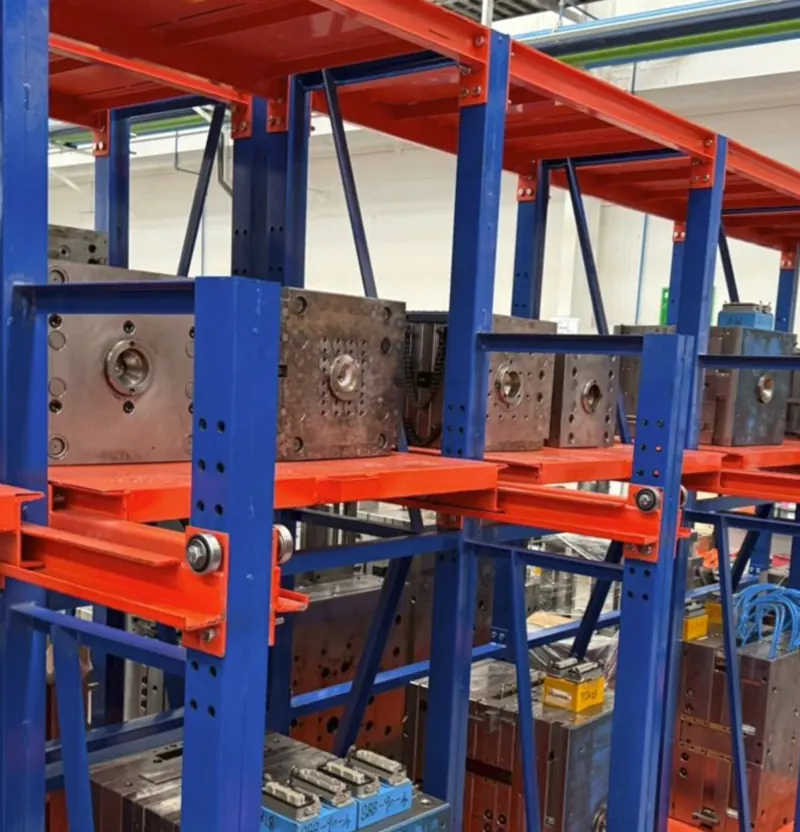
Reinforced structure for heavy molds and tooling, with pull-out drawers on roller bearings to pull the mold out and lift it safely with a crane.
- Pull-out drawers
- High load capacity
- Safe crane lifting
- Molds organized and in plain view
When does a mold rack make sense?
When your plant stores injection molds, dies or tooling that are changed often and handled with a crane.
How it works
The tray extends on its rails until it reaches the stop.
The crane or hoist picks up the mold from above.
The tray returns to its place and locks with its latch.
- 01 Reinforced frames
- 02 Pull-out drawers on rails
- 03 Extension stops
- 04 Locking pins
- 05 Mold support surface
- 06 Location labels
Pull-out drawers on every level or combined with fixed levels, depending on weight and frequency of use.
Reference technical data
Final values are confirmed in each project's structural calculations.
| Capacity per tray | Depends on the weight of your molds |
|---|---|
| Extension | Full or partial, depending on the loading mode |
| Levels | Depends on the crane hook height |
| Safety | Stops and locking per tray |
Frequently asked questions
How are molds loaded?
With an overhead crane, hoist or forklift, depending on the design.
How much weight does each tray support?
It is designed for the molds you share with us, with its structural calculations.
Can a tray open on its own?
No. Each tray has a locking latch.
How many molds fit per level?
It depends on their dimensions. We define it in the design.
You may also be interested in
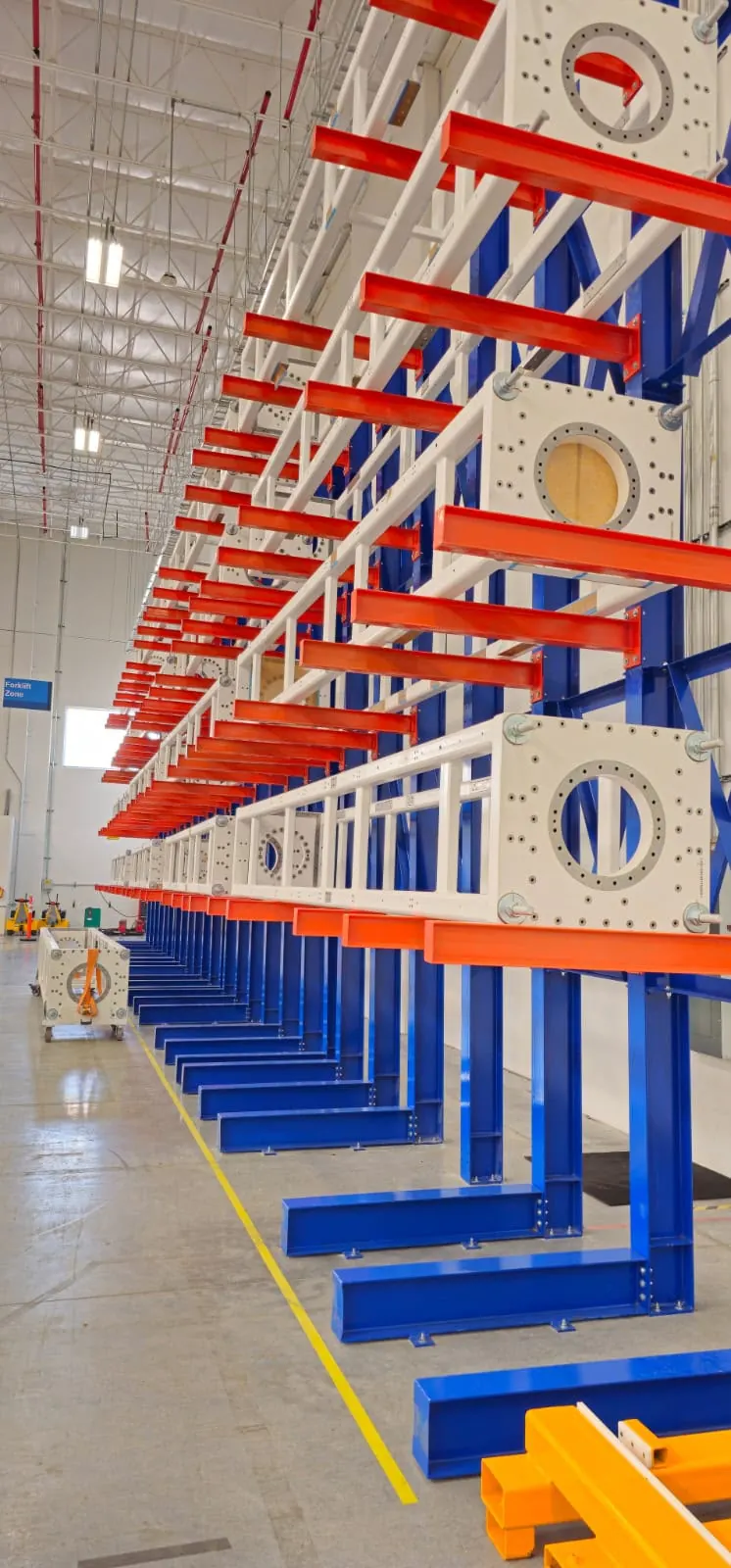 S-02Cantilever rackCantilever arms for long, bulky or irregular loads.See solution
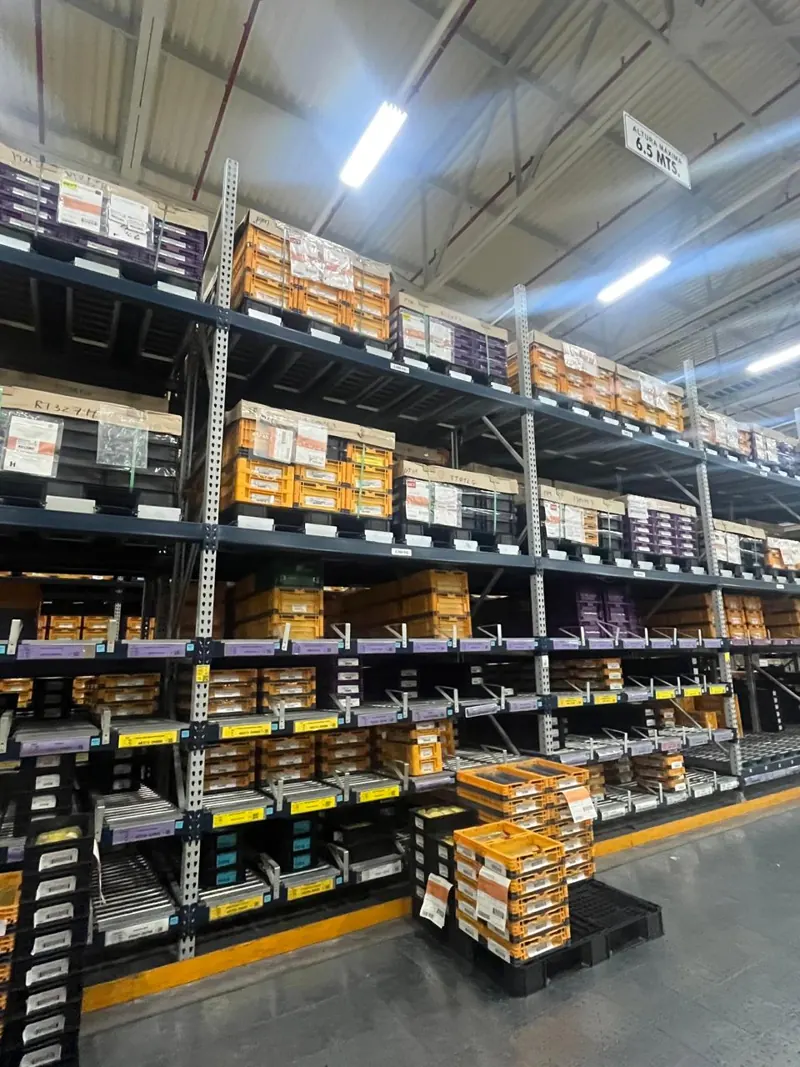 S-10Custom solutions: hybrid rackingSeveral rack types in a single structure, designed for your operation.See solution
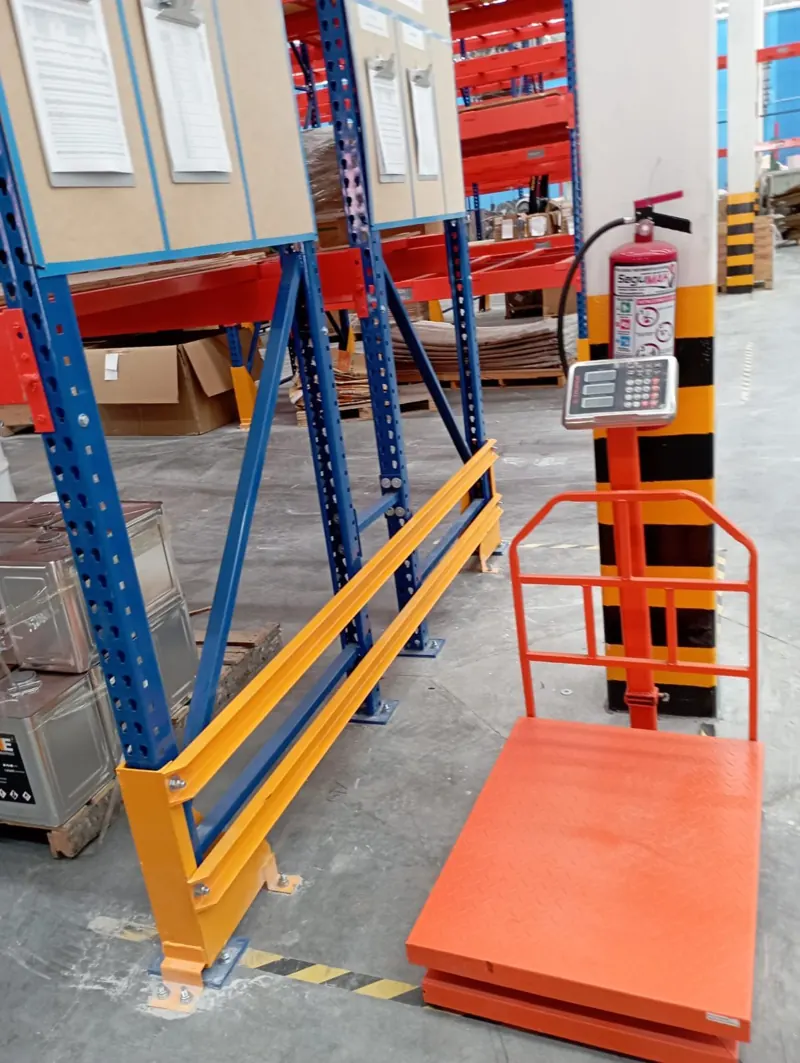 AccessoriesRack accessoriesGuards, safety accessories, labeling and empty pallet racks.See solution
Tell us about your storage challenge.
An HIE specialist reviews your operation before preparing a proposal. You don't need to have all the information.